Maybe you have painted onto a wooden panel and now wish to seal and preserve your art piece? Epoxy resin can provide a beautiful gloss finish that makes all your colors stand out. There is a variety of products available, but many of the craft epoxy options are applied as follows. You will need your acrylic painted wooden panel art piece. Your chosen epoxy resin product, some gloves, stick to stir with and a spatula to level the epoxy.

Two or more measuring cups, another mixing cup, a heat gun or torch, toothpicks, and something to cover and protect your finished work while it is drying. Some sheeting or plastic covering to cover the floor or area where you are working. Preparation is always important when it comes to painting and sealing the wood. Only start applying your epoxy resin once the paint has completely dried. Polyacrylic is another durable, water-based, and clear sealant for wood. Once applied, it does not leave any odor, dries fast, is easy to clean, and is affordable.

You can get polyacrylic in a variety of finishes including satin as well as high gloss. Polyacrylic will form a protective layer over your painted wood against changing temperatures, sunlight, and water. The product comes in two forms, you can either roll-on or spray-on. When applying polyacrylic, you have to start the same as with polyurethane.
So, make sure the surface is smooth, clean, and dry. When sanding and smoothing the painted surface, use very fine-grit sandpaper. Always read the instructions included with the product for the best results. When using a satin finish, you will need to use an isolation coat over the painted wood surface before you use the varnish. The isolation coat is transparent and forms a layer between the paint and varnish. Sometimes a varnish can be diluted in a solvent, and the isolation layer prevents the solvent from damaging the paint.

If you do not apply this coat, you can end up with a frosted look. Apply the acrylic polymer varnish over the dry acrylic paint. The wood surface must always be clean, with no dust or dirt. So, only apply the varnish about 48 to 72 hours after it has dried properly. You can apply the varnish with a brush, or you can spray it on.
This is another popular clear, waterproof acrylic sealer for crafts. Mod podge is easy to use, dries fast and offers good protection, and comes in either a gloss or matte finish. Mod podge is also water-resistant and will not yellow over time.

As with any sealant application, the wood surface must be smooth and clean. Simply brush on a thin coat and let this dry, before applying another coat. Leave for at least 20 minutes, then you can apply another layer, or until the coat becomes clear. An alternative to acrylic polymer varnishes are acrylic resin varnishes. Acrylic resins offer an extremely glossy finish which is ideal for showcasing your artwork. Leave to dry thoroughly, this can take as long as several hours.
You can then gently sand the surface again and clean it before you paint. You can now use your acrylic paints to paint on the wood surface. Once done, you can finally use your acrylic paint sealer. Sealants can be wiped on, brushed on, you can use a sponge, or you can spray the sealant on.
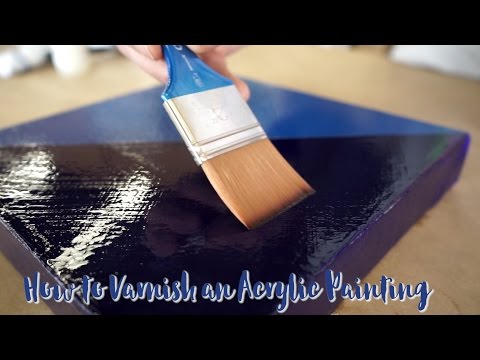
If you are simply using furniture wax, a cloth should be sufficient. Sealants are best applied in thin coats, which should be left to dry. You can then apply a second coat and depending on how durable you want the wood item to be, several layers can be added. Let the sealant dry thoroughly for at least two to three weeks. The time it takes to fully cure will also depend on your local weather conditions.

Not all wood surfaces need a topcoat sealer, but it is recommended, especially if the wooden item is outside and exposed to the elements. Wooden items that are handled and moved around a lot would also benefit from a sealant. If you do not seal acrylic paint on your wooden items, the paint may eventually crack and then peel off. By following the entire process of painting a wooden surface, it helps to protect and make sure the wooden item keeps looking great for a long time.

In most cases, sealing wood before painting is recommended for the unfinished wood. In other cases, a wood surface might already have wax, varnish, or lacquer sealant, so no additional layers are needed, these are already finished wood surfaces. These wooden surfaces only need to be sanded, wiped clean, primed, and then painted. The type of sealant you use is important and not all products are appropriate for acrylic paintings.

As mentioned earlier, an acrylic polymer varnish is a good choice because it offers a glossy finish, water resistance, and flexibility. If you plan to display your painting in an area with direct sunlight or fluorescent light, then you will want to use a sealant that offers UV protection. Varnish is something most of us recognize as it has been the most popular form of sealant for many years. Varnish can be seen as a general term for a top coat as there are so many varieties. The two main types of varnishes in this category include your acrylic resin and your acrylic polymer varnish. Acrylic resin varnish is glossier and more durable than acrylic polymer varnish.

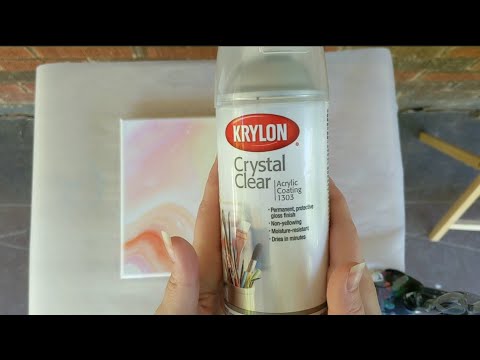
However, these tend to be more toxic, and you must work in a well-ventilated space and use protective gear. Acrylic varnishes are safer to work with as they are non-toxic. These can come in various finishes including a gloss, matte, and satin finish. A glossy finish enhances the paint colors, while a matte or satin finish provides a less shiny appearance. This usually works as an acrylic paint sealer spray that is easy to apply. It offers good indoor as well as outdoor protection and dries quickly to a clear gloss finish.
Protect furniture and other wood items from scratches and moisture. Since you are spraying, it is preferably done outside, using protective gear. Again, read and follow the instruction on the label. Hold the spray at least a foot or 30 centimeters away from the surface, then spray evenly.

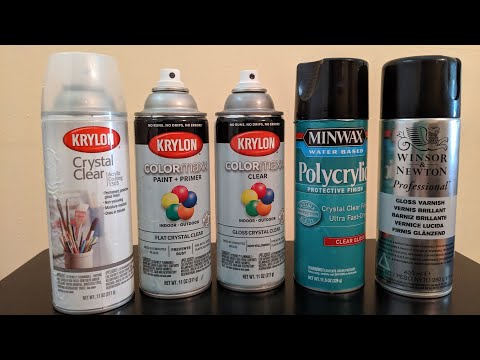
Two to several thin layers might be okay, however, for a super glossy finish, you can apply more coats. To protect acrylic paint on wood, you'll need to apply a clear sealant. Choose a wax-based sealant for a flat finish or a polycrylic sealant for a glossier finish.
Once the paint has dried on your wood surface, apply a thin layer of your sealant with a dampened sponge, cloth, or paintbrush. When it's dried to the touch, apply a second coat of sealant to improve its protection. Although the sealant might dry within hours, you'll need to wait 2-3 weeks before it's fully cured. Avoid putting anything on the surface during this time, since it can cause damage or imperfections.

Opt to prime all surfaces, including the back and sides, for a clean white professional look. However, all you really need to do is prime the panel face that will be painted. To summarize you want to seal all exposed areas of wood, but priming can be just applied to the front face. In this article how to seal acrylic painting let's know about the acrylic paint. Acrylic paint is a fast drying paint made of pigment suspended in acrylic polymer emulsion and silicone oils, stabilizers, or metal soaps.

Most acrylic paints are water-based, but become water resistant when dry. It is essential that you varnish your completed acrylic paintings. The varnish will protect the painting from dust, UV rays and yellowing. I usually stick with gloss varnish because I love the look of a glossy finish, but you may have your own preference. I came across it while researching on how to protect my acrylic on canvas. There is a slight twist to it, my acrylic painted is gilded with gold foil using PVA glue.

Do you think a varnish spray will make any of these materials dissolve & run or lose their hold onto the canvas? Also a few details have been added using silver oil based metallic ink…. I'd be so so very grateful to have your opinion on the same. To add a protective layer on top of acrylic paintings when varnishing will not do, such as when working with delicate surfaces, photographs, and assorted materials. You can also use this technique to seal finger paints for children's art projects.
They do not provide the typical protection of a "functional" coating. You can use a variety of varnishes to seal acrylic paint on plastic. You can use Polycrylic, a popular brand of sealer used on acrylics, to seal acrylic paint on plastic.

It is a combination of polyacrylate and polyurethane and is formulated for use on acrylic paints. Polycrylic is a versatile product especially for beginners because it is easy to spray on. Likewise, it is available in at least 3 different finishes, including glossy, semi-gloss, and matte. Artists will agree that it is imperative to seal your acrylic painting, for a few reasons. The first of which is a topcoat that will add a layer of protection to your painting from fading, dust, dirt, and discoloration.
In addition, a sealant will ensure your painting is water-resistant. Finally, an acrylic painting can have come bumps and unwanted textures once it has dried. A great self-leveling sealant can assist with the problem. Varnish is the standard go-to for sealing painted wood surfaces.

It can completely transform a wooden object's appearance, changing the color tone or adding a glossy finish. However, you can seal other surfaces with varnish too. Clean your wood surface with a tack cloth or a damp cloth.
The tack cloth is ideal as it removes dust and grime. Wood panels for painting will not usually have any gouges or bad rough spots, so sanding or filling any holes is not necessary before applying the sealant. Take your brush and apply the sealant, for example, a glossy acrylic medium. Let this dry, the time you should wait should be on the product instructions. Once dry, apply a second layer and let it dry as well. Then sand the surface with some 220-grit paper and wipe the surface clean.
When applying, a sponge can work nicely on a surface with grooves, a brush is better suited to a flat, even surface. You should use a good quality acrylic gesso for this purpose, which will provide better results. Mod Podge is an amazingly, versatile substance, that is both durable and fast drying. It is understandably a popular choice for crafters and DIY-ers alike.
What Sealant To Use On Acrylic Paint It makes a great sealer for acrylic-painted wood as it is compatible with acrylic paint. If you are applying the Mod Podge to a wood surface or a canvas, we recommend using a brush-on Mod Podge sealer as opposed to a spray-on version. We have put together a list of the steps you will need to follow when sealing your acrylic painted project using Mod Podge sealer.
Acrylic paints are very popular because they dry quickly and are easy to apply. However acrylic paints are prone to cracking and peeling if applied incorrectly. To avoid these problems you must ensure that you follow the manufacturer’s instructions carefully. In addition you must be careful to select the right type of acrylic paint sealant. There are many different types available each designed to perform specific functions.

For example there are water-based acrylic paint sealants solvent based acrylic paint sealants oil-based acrylic paint sealants etc. Choosing the correct product depends upon the application method desired results and budget constraints. Painting your wood items with acrylic paints is a fairly easy process and is a task that can be done by any do-it-yourself enthusiast. Whether you are renovating a piece of furniture or working on a craft item, you will have to follow a few simple steps. From preparing your wooden surface, and painting, to sealing acrylic paint on wood. Today, we are going to be focusing more on the various types of acrylic paint sealer and learning how to seal acrylic paint on wood.

All acrylics seal fairly well, but if you really want to seal something, several coats of Golden's Polymer Gloss Medium or Golden's GAC 100 work the best. They are what I use when sealing wood panels and for sealing paper that I'm going to oil paint over. I do not use them over my finished acrylic paintings, just as undercoats.

Liquitex Gloss Medium & Varnish and Golden GAC 500 are both attractive as clear, shiny isolation coats over completed acrylic paintings. I don't like gel mediums as sealers because they leave brushstrokes. Matte mediums or matte gels are not completely transparent and can slightly dull or cloud your painting. Applying a sealant is important as it will protect your artwork from peeling or chipping. Sealers come in a wide range of finishes, so select one of your choice.


